Migrant women at risk of violence and exploitation
Gender-based violence, trafficking in persons, and other forms of exploitation continue to endanger women at all stages of migration – including those in domestic and care work.

Migration can offer the chance for new opportunities and to build a better life. But for millions of women around the world, crossing a border can come at an enormous cost: violence, labour exploitation, and discrimination – and along some routes, the threat of kidnapping, ransom, or being forced to work against their will.
Violence is omnipresent at all stages of migration – from journeys and border crossings to life in destination countries, and eventual return. Migrant women often suffer violence multiple times by different perpetrators. The risks are especially acute for women travelling without documentation, with little or no information about safe migration or limited financial resources – putting them at a greater risk of extortion and exploitation.
Women’s rights don’t stay at home when they migrate. Yet across borders, migrant women are often left without the rights protections and the justice they deserve and are entitled to. One in three women worldwide experience physical or sexual violence, and migrant women face an even higher risk.
Here are some common situations where migrant women face a heightened risk of rights violations and gender-based violence:
Unsafe recruitment and irregular migration
For many women, danger begins the moment their migration journey starts. Without reliable information about safe migration, money, or valid documents, migrant women are at much greater risk of gender-based violence, deception, and exploitation long before they reach their destinations.
These risks often start with recruitment, as many rely on unregulated brokers who charge excessive fees or make false promises. By the time they leave home, many women are already in enormous debt - a situation that leaves them dependent on recruiters, unable to refuse demands, and vulnerable to exploitation that can escalate into trafficking.
For women using irregular routes, the risks snowball. Women frequently describe journeys marked by extortion, harassment, and assault by smugglers, traffickers and corrupt officials and other migrants - with migrant smugglers among the most common perpetrators of gender-based violence.
Along the South Africa–Zimbabwe corridor for example, Human Rights Watch found that nearly all newly arrived migrant women had either been raped or had witnessed rape during the crossing. Some men interviewed admitted that they raped migrant women as the "price" for allowing them to enter South Africa.
In the Darién Gap, between Colombia and Panama, reports of sexual violence increased sevenfold in 2024, a chilling reminder of the dangers faced by thousands of women crossing Latin America’s most treacherous corridor.
Women who are trafficked experience physical violence three times more often than men.
Trafficking, forced labour, and other forms of exploitation
Trafficking in persons is one of the most horrific human rights abuses. Rooted in gender inequalities, and driven by profit, traffickers treat women's labour and bodies as commodities to be bought, sold, controlled and violated, with women three times more likely to be trafficked for forced labour than men.
For millions of women, trafficking means being deceived, confined, sexually abused, or sold into work they cannot leave. Many do not make it out alive.
Trafficking thrives where women are seen as commodities to be exploited. It feeds on weak protections and the world's relentless demand for cheap and invisible labour. From agriculture and garment production to hospitality and domestic work, poorly regulated sectors particularly give traffickers room to act with impunity. Low wages and dependency on employers for their migration status make it easy to control and silence migrant women, as many risk losing their job or residency if they try to report abuse or leave their employer.
Technology is also making these crimes even harder to trace. Traffickers use social media, messaging apps, and encrypted platforms to profile, recruit, and manipulate migrant women, while deepfake-based blackmail and online surveillance shadow women across borders, screens, and long after they return. Trafficking networks also rely on cryptocurrencies to move and launder profits across borders, making their operations and financial flows harder to trace.
More than 60 per cent of trafficking victims detected worldwide are women or girls.
Many were identified outside their countries of origin, a stark reminder that trafficking is not just a crime, but a brutal system of power, violence, and control that targets women because of their gender.
Migrant domestic workers face increased risks of violence and exploitation
Nearly half of the world’s 304 million international migrants are women, and most are employed in domestic and care work - sectors that remain largely unregulated. Of the world's 75.6 million domestic workers, 76 per cent are women.
In homes across the globe, millions of migrant women clean, cook and care for others. Working inside private homes often means limited visibility and protection, exposing many to exploitation and abuse by employers or others in the household. This isolation makes domestic work a space where violence can go unseen and unchecked. Many migrant workers are excluded from national labour laws, denied rest days or fair wages, and are deeply dependent on their employers for income, housing, and residency status.
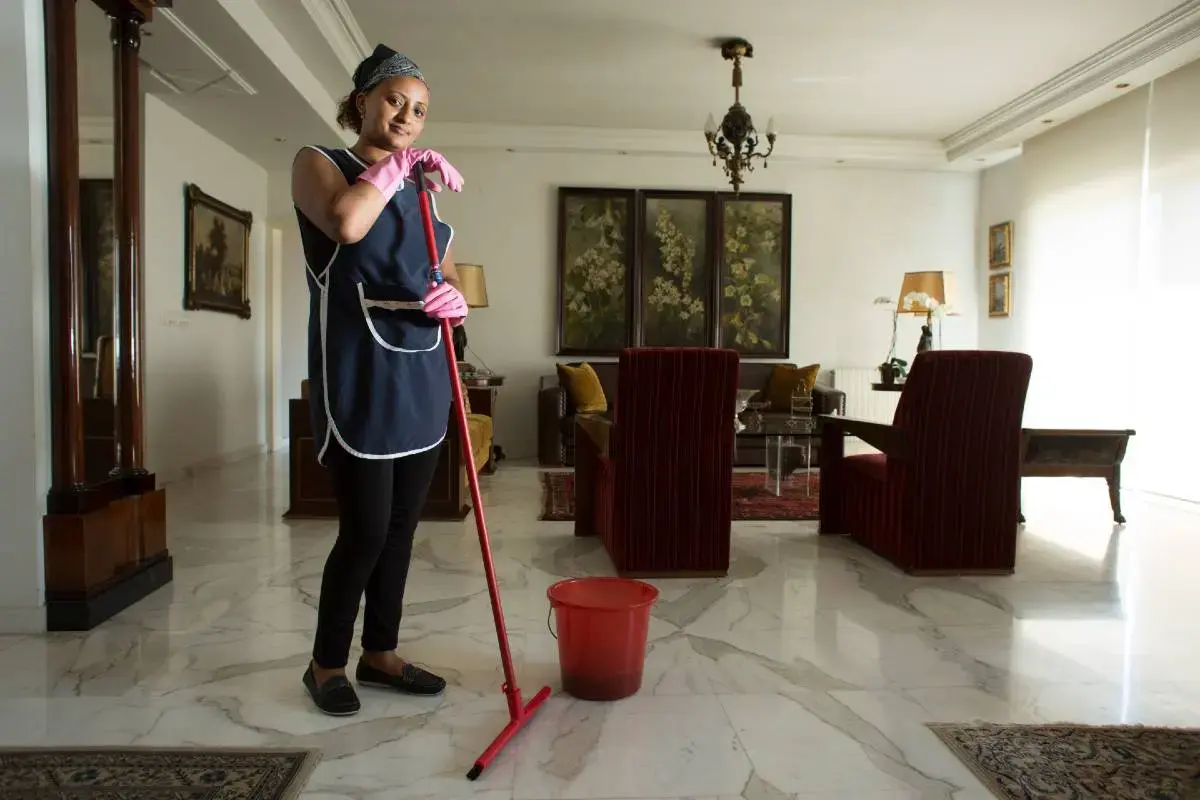
Under sponsorship systems such as Kafala, women’s visas are tied to their employers, limiting their freedom to leave abusive situations and cutting off access to justice.
Despite repeated international calls to strengthen migrant domestic workers’ rights, women still face long hours, withheld wages, harassment, and, in extreme cases, trafficking and forced labour.
Studies show that 87 per cent of victims of domestic servitude are women and girls, and 15 per cent of trafficking victims in domestic work experience sexual abuse. In Thailand, a 2023 survey found that six in ten Myanmar migrant domestic workers reported violence.
Arriving to discrimination and denial of rights
Reaching their destination does not mean reaching safety. For many migrant women, it marks the start of new struggles. Discrimination based on gender, race, nationality, and migration status shapes every aspect of life - from the jobs they are offered to the protection they may or may not receive.
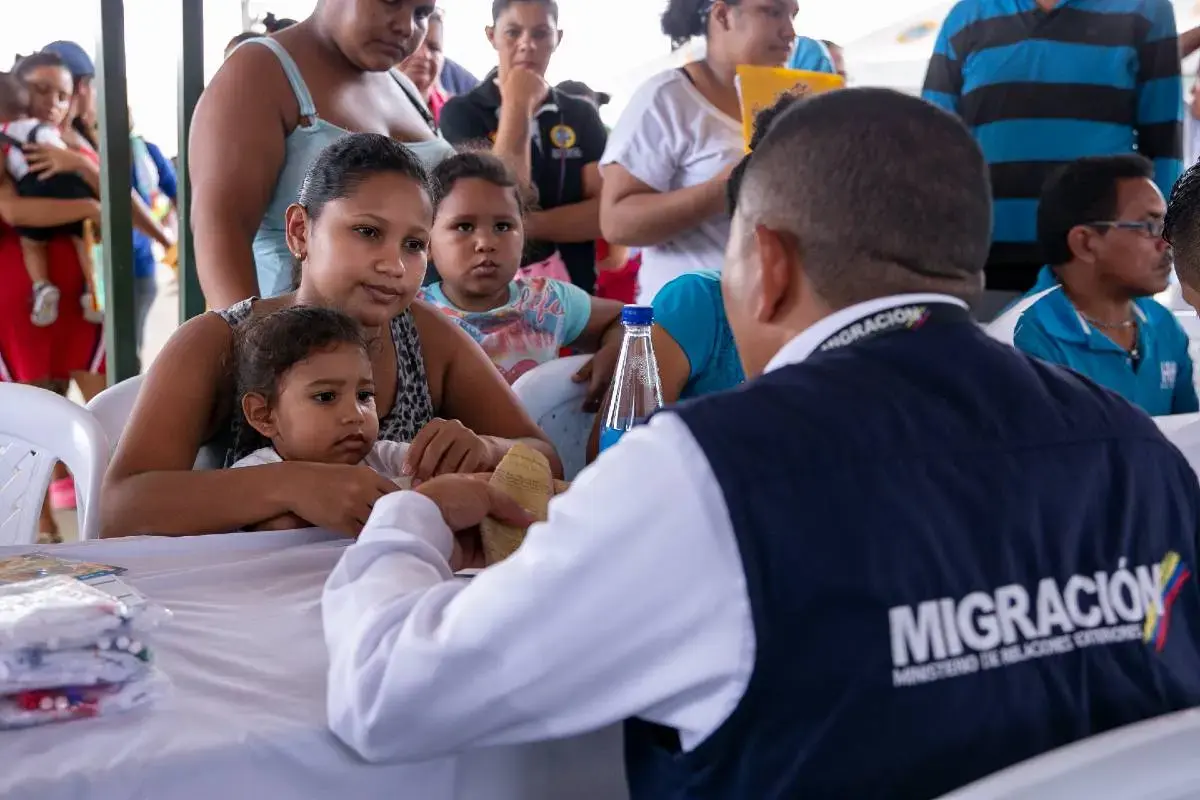
Fear of deportation silences many. Reporting abuse can mean losing a job or being sent home - risks that few can afford to take. Employers sometimes exploit a woman's irregular status to threaten or control her, while language barriers and stigma make it even harder to access help.
For women without legal status, the system itself can increase their exposure to danger and violence. Detention and deportation centres are often unsafe and degrading. Many women report sexual abuse, poor or no access to sexual and reproductive health care, and a lack of privacy in sanitation and shower areas.
In many countries, sexism, xenophobia, and racism add to these risks, shaping how migrant women are seen, heard, and treated when they do seek justice or support.
Migrant women in detention face sexual violence at more than twice the rate of men, with limited or no access to complaint mechanisms.
Returning to stigma and exclusion
Instead of being welcomed back, many migrant women return to stigma and exclusion. Survivors of gender-based violence or trafficking are often blamed for what they faced abroad, as if their suffering were a choice rather than a result of an unsafe and abusive system. For others, the shame attached to domestic or care work abroad, perceived as low-status work at home, becomes a barrier to reintegration, with neighbours and relatives shunning returnees.
Evidence from Ethiopia and Bangladesh shows that returnee domestic workers can face severe social exclusion, driven by gender norms and a lack of tailored reintegration support. In Ethiopia, women who experienced abuse abroad reported being labelled "failed migrants," while in Bangladesh, returnees who had been trafficked or exploited in domestic work were accused of “shaming” their families. These judgments deepen isolation and make recovery and reintegration even more difficult.
Some communities are finding better ways to respond. In the Philippines, local governments and women's organisations offer counselling, skills training, and support for returning domestic workers, helping them rebuild their confidence and lives. But such initiatives remain rare. In most countries, returnees face stigma alone, without the financial or psychological support they need to start over.
Returnees who have adequate support are more likely to cope better with the challenges of returning. This is especially true for migrant women survivors of violence.
What UN Women is doing to support migrant women
Every woman deserves to migrate safely and be treated with dignity. Their rights must be guaranteed wherever they are.
UN Women’s Making Migration Safe for Women programme, funded by the Government of Germany , helps make that a reality. In Ethiopia and South Africa, it supports migrant women in both countries as well as women returning home, offering training, counselling and small business support, while working with governments to ensure migration policies can be safe and fair for all migrant women.
How we can all support safer migration for women
Learn and bust the myths about migrant women and share reliable information. Share reliable guidance on safe migration to empower them with reliable information so that they can migrate safely. Read our explainer that debunks myths migrant women face.
Challenge racism. Talk openly about the racism, sexism, and discrimination that migrant women face and speak out against violence and exploitation whenever you see it.
Promote fair and ethical recruitment. Challenge deceptive hiring practices and remember that change also starts at home, especially where migrant women are hired to work in domestic and care roles.
Stand up for better working conditions. Push for migrant domestic and care workers to have fair wages, healthcare, and legal protection, no matter their migration status.
Improve access to legal literacy. Support initiatives that equip migrant women with clear information about their rights, the services available to them, and where to seek help – before, during, and after migration.
Ensure women can access support. Back organisations that provide safe spaces, counselling, legal help, and other forms of practical support. These community-based services play a vital role in helping migrant women rebuild their lives with dignity, especially for survivors of gender-based violence.
Ask your local and national government to implement policies that protect and respect migrant women’s rights and uphold human rights commitments. Safe and regular migration pathways, ethical recruitment standards, labour protections, and training for frontline officials all make migration safer – these are just some of the measures that governments can put in place. Some governments have also signed on to international agreements, such as the Global Compact for Safe, Orderly and Regular Migration and the ILO Conventions on Domestic Work (No. 189) and on Violence and Harassment (No. 190).
What do people get wrong about women who migrate?
“She hasn’t even learned the language”; “Careful with her, she might seduce your husband”; “She’s a benefits fraud”.
Challenge the stereotypes. Explore our mythbuster on women who migrate.